Why Jews Were
a Minority
Jews were a small minority in 19th-century Palestine. Centuries of restrictions on land ownership, residence, and immigration explain why.

Colored engraving, 19th century
Jews were a small minority in 19th-century Palestine. Centuries of restrictions on land ownership, residence, and immigration explain why.
The antizionist argument is not that Jews come from nowhere. It’s that the indigenous Jews of Palestine were the small Sephardic and Mizrahi communities living there before the Zionist movement — and the European Jews who followed were colonizers attaching themselves to a homeland that wasn’t theirs.
That argument depends on the Jews of pre-Zionist Palestine being a small minority. They were. The question is why.
Jews were pushed out of Palestine by legal subordination, periodic expulsion, and outright violence. The same mechanisms also kept Jewish numbers low. Centuries of restrictions on land ownership, residence, and immigration systematically prevented Jews from being more present.
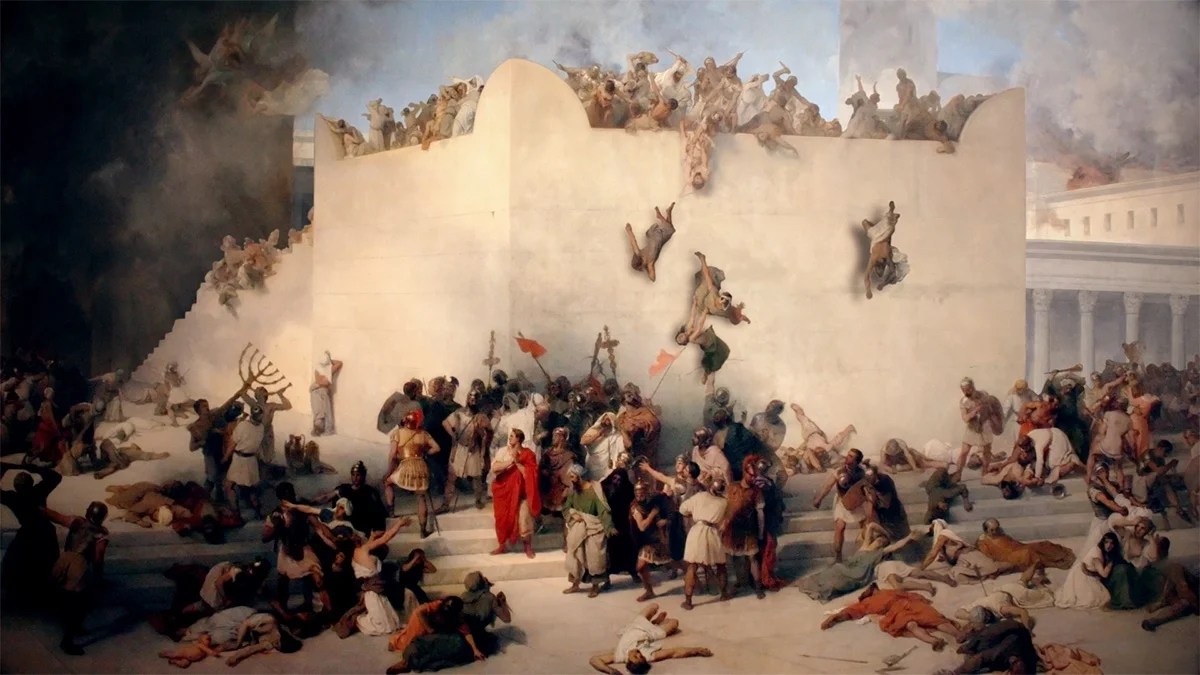
Between 66–135 CE, Romans killed between 500,000 and 2 million Jews in what was then Judea. They crucified perhaps 100,000 of these Jews, took 97,000 back to Rome as slaves, and destroyed 985 Judean villages. They banned Jews from Jerusalem for the next 500 years. This was the context of Palestine’s Jewish minority before Muslim rule.
Before the first Zionist arrivals in 1882, about 24,000 Jews were already living in Palestine. They were not Europeans. They were members of the Old Yishuv — the continuous Jewish presence that had been there, in some places, since before the Islamic conquest of 638.
The largest group were the Musta’arabim — Arabic-speaking Jews who predated the Muslim conquest and stayed through it.
After 1492, Sephardic Jews expelled from Spain joined them, fleeing into the Ottoman Empire. They brought Ladino. They built the Kabbalistic center at Safed.
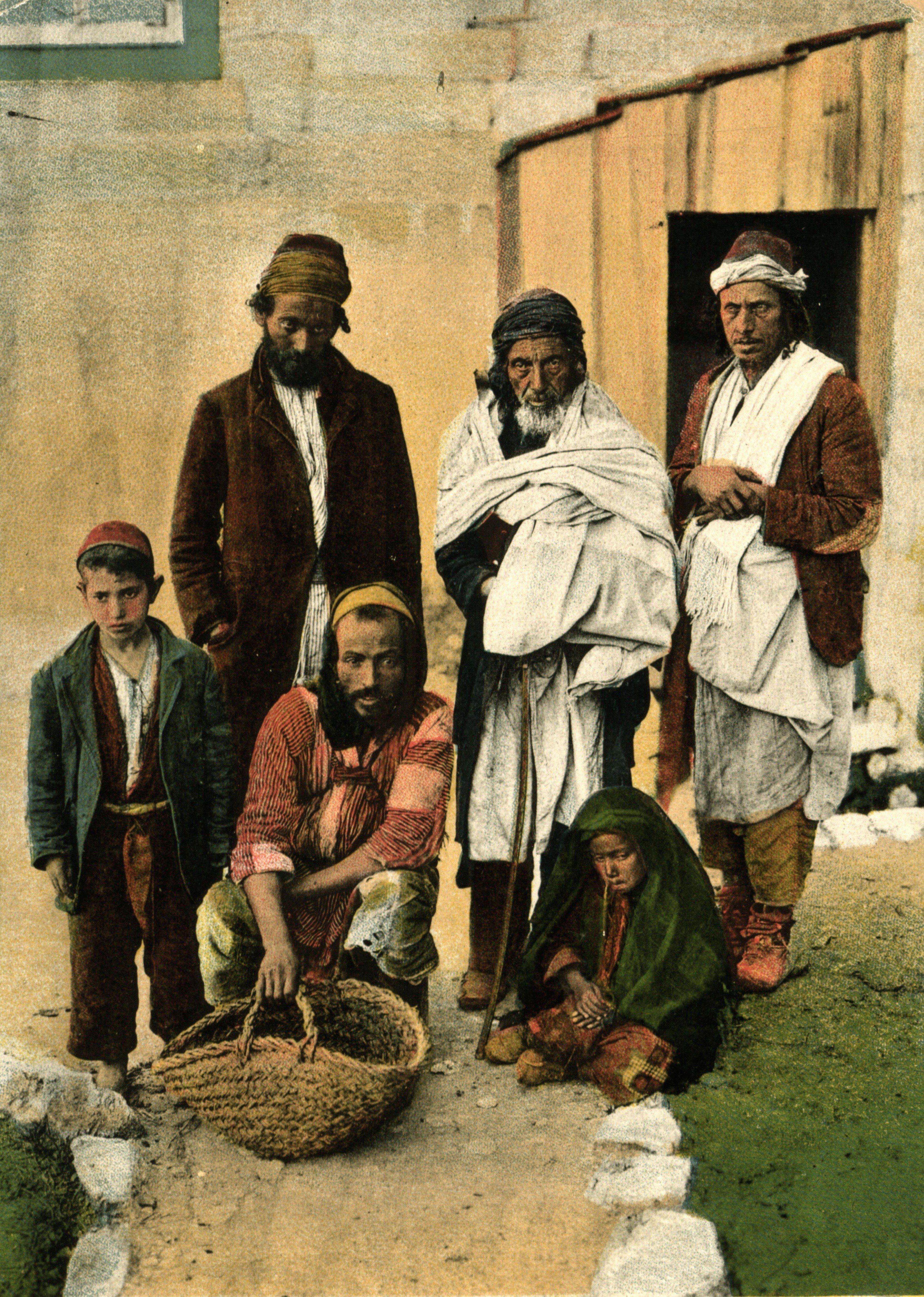
Mizrahi Jews from across the Muslim world — Yemen, Iraq, Persia, Bukhara, North Africa — kept arriving in waves throughout the Ottoman period.
Ashkenazi Jews from Europe were the smallest community until the 19th century, and even then remained a minority of the Yishuv.
This community lived primarily in the four holy cities — Jerusalem, Hebron, Safed, Tiberias — with smaller communities in Jaffa, Haifa, Peki’in, Acre, Nablus, Shfaram, and Gaza. Peki’in claims continuous Jewish presence since the Second Temple period. The Sephardic community was the largest Jewish group in Jerusalem until the end of Ottoman rule.
The Old Yishuv is what was left after almost two thousand years of pressure. To understand why it was small, you have to understand what kept it that way.
Jews were a small minority in 19th-century Palestine. That wasn’t an accident of migration. It was law.
For twelve hundred years Jews could own property in Palestine, but never securely. They held it as dhimmis — paying a poll tax for the right to live there, with no standing to testify against a Muslim in court. Your title was good until someone powerful wanted what you had.
In 1856 that ended on paper. The Ottoman Reform Edict declared all subjects equal regardless of religion, abolished the poll tax, and made a Jew’s word admissible in court. The opening lasted thirty-six years.
The Ottoman Reform Edict (Hatt-ı Hümayun) declares all subjects equal regardless of religion, abolishes the jizya poll tax on non-Muslims, and makes non-Muslim testimony admissible in court. Dhimmi status ends in law. Local enforcement stays hostile to Jewish land purchase.
The Ottoman Land Code passes. Registration system established. Title deeds required.
Foreign nationals legally permitted to purchase land in the Ottoman Empire.
Sultan Abdülhamid II issues an edict: foreign Jews may settle anywhere in the Ottoman Empire except Palestine.
An edict explicitly bans Jewish resettlement in Palestine. The same year, the antisemitic May Laws in Russia trigger the First Aliyah.
The Ottoman government bans land sales to Jews in Palestine, even its own Jewish subjects.
The Jewish Colonisation Association is blocked from purchases in the Mutasarrifate of Jerusalem. Land buying redirects to the north.
Young Turk reforms partially loosen restrictions. Restrictions return with World War I.
Every time a legal opening appeared, another law closed it.
Something kept Jewish people returning to Jerusalem after at least 8 recorded expulsions — which today we would call ethnic cleansings or genocidal events. They came back to a place where they lacked equal rights and were periodically murdered, raped, and robbed, their synagogues desecrated and destroyed.
Why all this sacrifice to return to a place that kept rejecting them?
It wasn’t because of Zionism. It was because of Judaism.
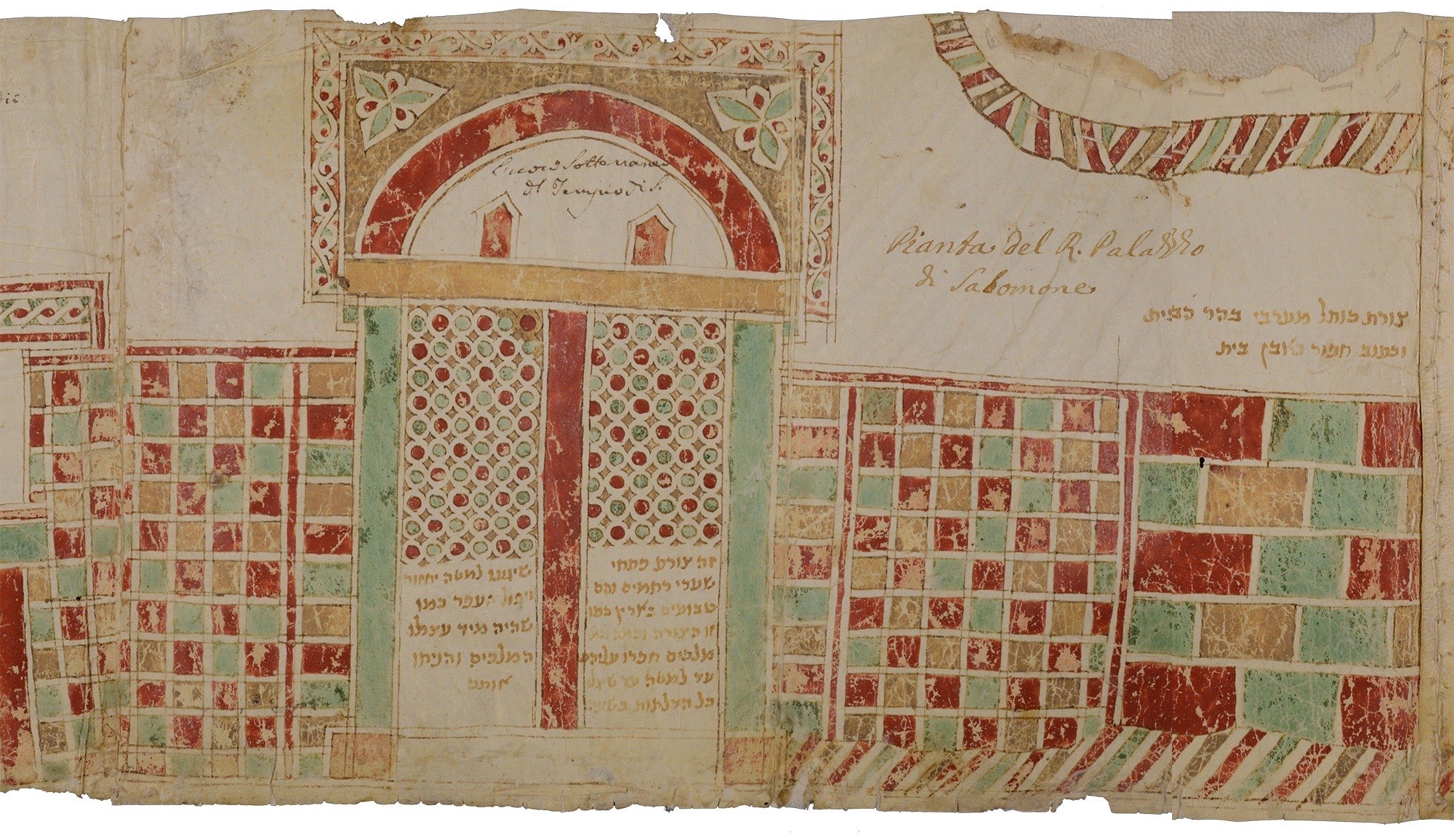
Zionism gave the return a political form in the 19th century. But Jews had been returning for two thousand years before that. The minority population in 1880 was not evidence that Jews were not from Palestine. It was evidence of how hard it had been to stay.